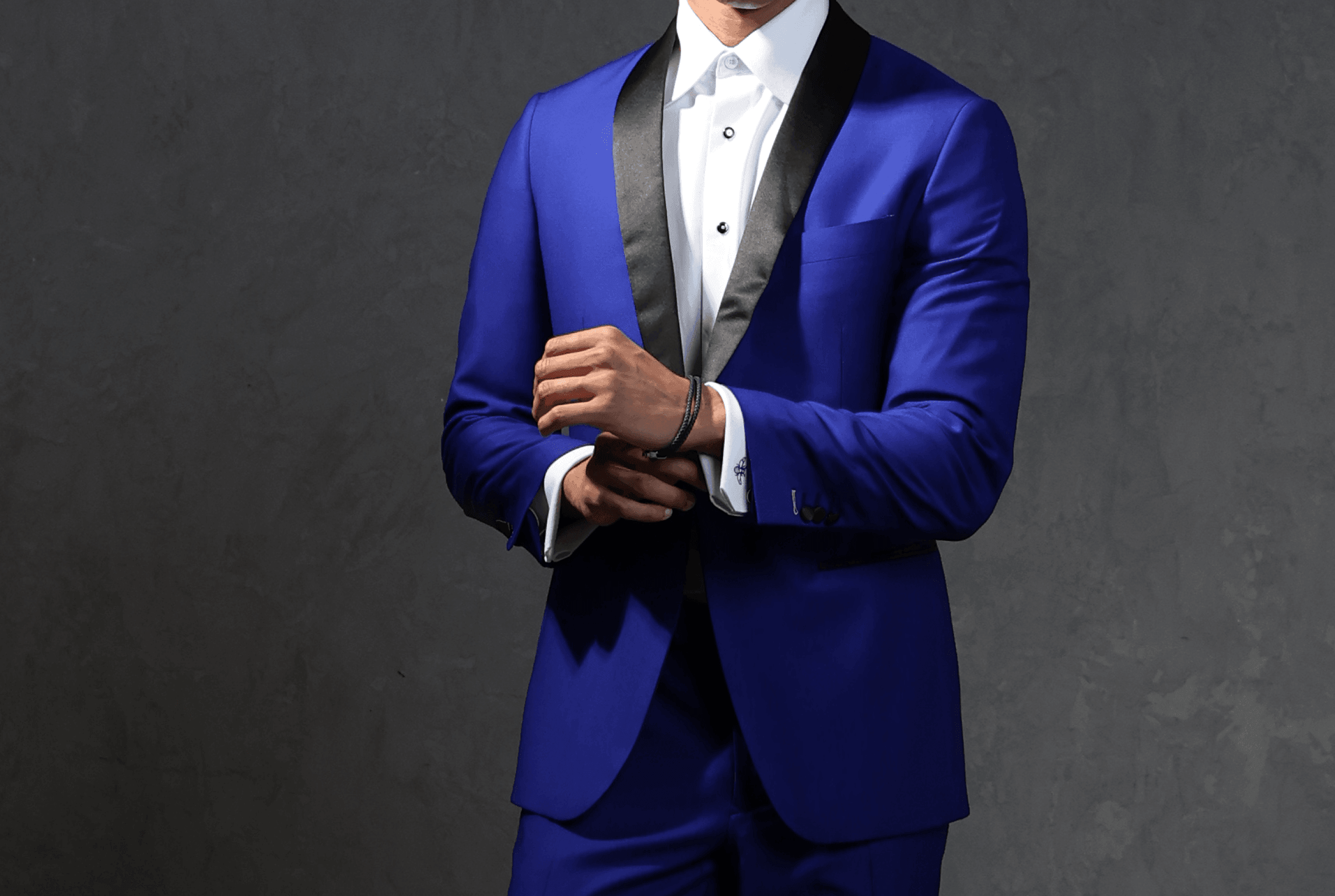
Understanding Suit Construction: Half-Canvas vs. Full-Canvas
A well-made suit reflects craftsmanship, structure, and purpose, yet many people overlook the internal build that shapes its appearance. The canvas method forms the core of that structure, defining how fabric responds to movement and retains form over time. Understanding the difference between half canvas and full canvas suit construction helps any buyer make informed decisions about quality and performance.
A floating layer between outer cloth and inner lining allows the jacket to mold naturally to the wearer without relying on adhesives. This internal architecture separates high-quality suits from mass-produced alternatives, offering benefits that extend far beyond first impressions.
Defining Half Canvas Construction
Half canvas construction includes a canvas layer that extends through the chest and lapel area, leaving the lower portion fused for efficiency. This hybrid approach balances cost and quality, offering improved structure in visible without the expense associated with full canvas methods. Many modern suits use this construction to deliver solid performance while maintaining accessibility for a broader range of buyers.
Defining Full Canvas Construction
Full canvas construction features a continuous canvas layer that runs throughout the entire jacket, from shoulders to hem, ensuring consistent structure across all areas. This method represents the highest standard in tailoring, offering unmatched durability and shape retention over extended periods of wear. Skilled artisans spend significant time stitching each layer, creating a garment that responds dynamically to body movement and posture changes.
Comfort and Wear Experience
Comfort remains a defining factor in suit selection, and canvas construction significantly affects how a garment feels during extended wear. Half canvas suits offer moderate flexibility, allowing natural movement in the upper areas while maintaining structure through partial reinforcement in the lower portion. Full canvas suits excel in comfort due to their fully floating structure, allowing the garment to move seamlessly with the body.
Durability and Longevity
Durability often determines whether a suit serves as a short-term purchase or a lasting investment within a wardrobe. Half canvas suits provide respectable longevity, though adhesive components may degrade under repeated exposure to heat or moisture over extended periods. Full canvas suits demonstrate superior resilience due to the absence of adhesives and the presence of hand-stitched construction throughout the garment.
Choosing the Right Option
Selecting between half canvas and full canvas construction depends on individual priorities, including budget and expectations for longevity. With our expertise in custom suits in Washington, DC, and other cities around the country, you can evaluate these factors carefully and choose a construction method that aligns with your needs. Understanding the main distinctions ensures informed decisions and greater satisfaction with any tailored investment.
Canvas construction defines the essence of a well-made suit, shaping its performance and visual appeal. The choice between half canvas and full canvas suit construction reflects a balance between cost and craftsmanship, with each option offering distinct advantages. Investing time in learning about construction methods leads to better decisions and more rewarding ownership experiences.