
The Role of Interlining in Suit Construction
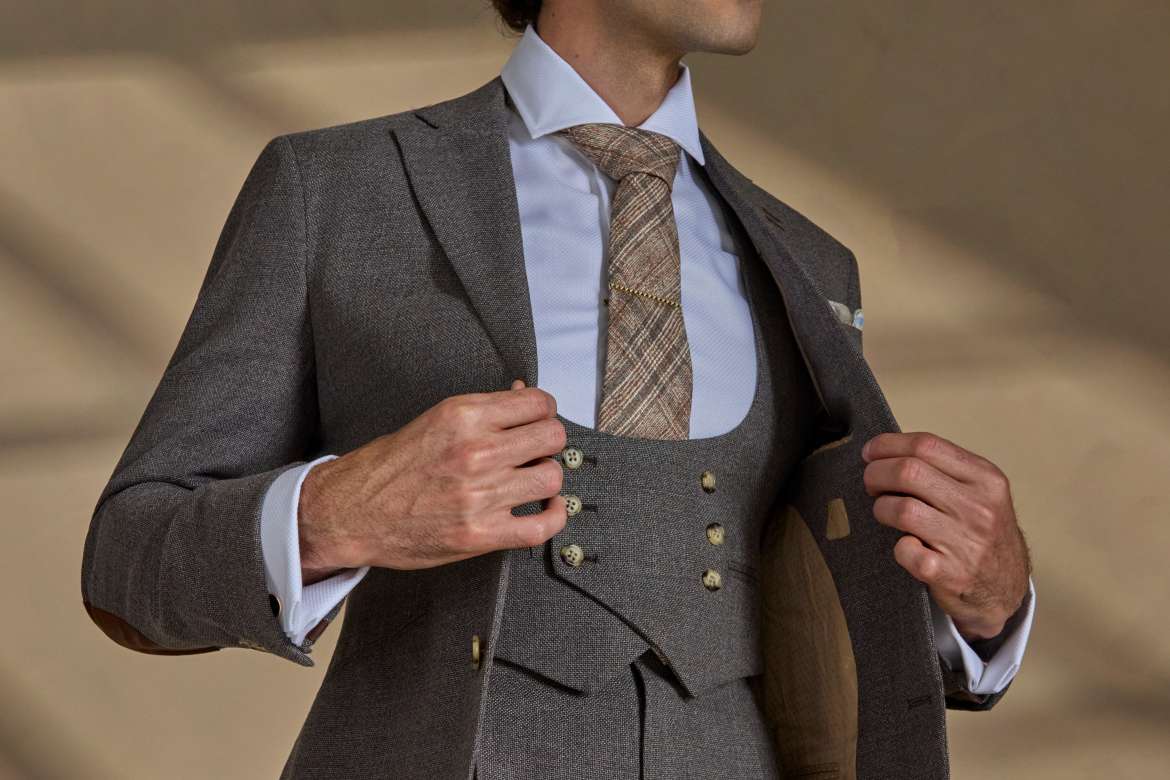
Every refined bespoke suit begins with more than the fabric or stitch; it starts with a hidden foundation. This hidden component, called interlining, gives the suit structure, shape, and lasting elegance men appreciate.
Many consider the exterior cloth the focus, but a suit’s inner layers hold equal significance. Through a carefully selected interlining process, tailors create garments that drape well, contour precisely, and project sophistication. Knowing the role of interlining in suit construction separates a quick purchase from a lifetime investment.
What Is Interlining in Suit Construction?
Interlining is the layer between the outer fabric and the interior lining that adds strength and support. It provides stiffness where needed and softness where movement must feel fluid and uninterrupted.
Tailors use interlining to help suits keep their silhouette sharp across the shoulders, chest, and lapels. This stability allows the suit to maintain presence without collapsing or shifting during wear.
Full Canvas and Half Canvas: What’s the Difference?
A full canvas interlining extends from shoulder to hem, stitched in by hand to allow natural motion. It offers ideal airflow and molding, which improves the suit’s shape over time with consistent wear.
A half canvas covers only the upper portion of the jacket, blending structure with ease for balanced performance. Clients who want modern lightness and classic form often select this popular option.
How Interlining Shapes Fit and Longevity
Poor interlining leads to slouching shoulders or misshapen lapels, reducing form and garment lifespan. Without inner structure, even the finest fabric fails to maintain visual strength or comfort.
Canvas helps distribute stress points like elbow creases and shoulder seams across the suit’s full foundation. With a professional approach to bespoke suits in Boston and around the country, we offer suits that balance flexibility, durability, and elegance through intentional interlining craftsmanship.
Material Choices and Their Effects on Feel
Interlinings can come from horsehair, wool blends, or synthetic fibers, depending on the garment's purpose and style. Horsehair offers the most strength and spring, ideal for building strong shoulder or chest lines.
Wool blend interlinings remain flexible and breathable while adding stability, perfect for all-season or travel suits. Synthetics provide affordability but may lack long-term adaptability and comfort.
Interlining as a Marker of Tailoring Expertise
Skilled tailors enhance the role of interlining in suit construction based on body shape, posture, and how often the user will wear the suit. This knowledge allows each garment to enhance confidence while retaining comfort and professional polish.
Canvas suits take longer to create but reward clients with garments that perform, adapt, and last longer. Hive & Colony values this longevity as a reflection of their high craftsmanship standards and dedication.
While most people admire the fabric, the interlining holds the story of a suit’s refined structure. Hive & Colony ensures that every bespoke garment begins with an inner commitment to quality and shape.
Choosing canvas construction reveals a client’s dedication to detail, comfort, and enduring style. It’s more than preference; it’s a statement of how sophistication starts from the inside out.