
Anatomy of a Custom Suit: What To Look For
A custom suit represents a significant wardrobe investment and a testament to personal style. Unlike off-the-rack garments, a bespoke piece offers unparalleled fit, fabric choice, and attention to detail that ensures a comfortable experience.
Learning what to look for in a custom suit will help you choose and identify the right elements for long-lasting attire. These key attributes separate an average suit from an exceptional one.
Fabric Selection
The foundation of any great suit is the material from which the tailor has crafted it. Selective clients often go for natural fibers such as wool, cashmere, linen, or silk for superior comfort. The fabric's weight and weave determine its drape, breathability, and suitability for different seasons. Your choice reflects your aesthetic preference, your lifestyle, and functional needs. The right fabric elevates the final garment from a simple piece of apparel to a durable work of art.
Construction and Canvassing
The jacket's internal construction determines how it molds to your body over time. A full- canvas suit features an interlace of horsehair that allows the garment to shape itself to the wearer. This method represents the highest standard of suit construction and ensures longevity and form.
A half-canvas construction offers a practical alternative that provides structure through the chest and lapels. While less complex than a full canvas, it still provides a superior shape and feel compared to fused jackets.
Fit and Silhouette
Proper fit defines the silhouette and is the primary reason to commission a custom suit. A master tailor takes numerous measurements to create a pattern unique to your body's contours. This process accounts for posture, shoulder slope, and other individual nuances for a perfect drape.
The suit should complement your physique without restricting movement or adding excess material. Finding quality men's custom suits in New Jersey or other large cities will ensure that you can achieve this balance. A well-fitted suit provides confidence and projects sharp, effortless sophistication.
Craftsmanship and Details
Subtle details and expert craftsmanship are essential to the anatomy of a custom suit because they distinguish a bespoke suit from its mass-produced counterparts. Elements such as hand-sewn buttonholes, functional sleeve buttons, and matched patterns demonstrate a tailor's skill. These small touches contribute to the overall aesthetic and signal a high level of quality.
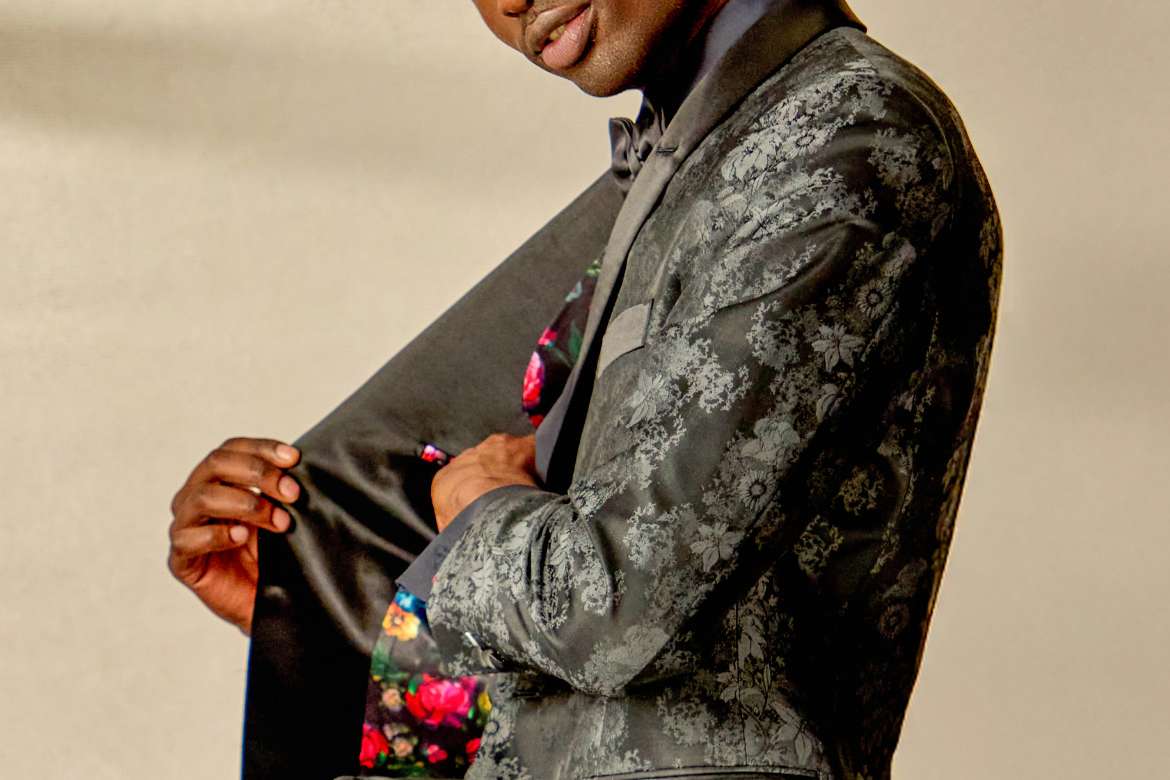
With a custom suit, you can select the lapel style, the pocket type, and even the color of the jacket’s liner. These bespoke features make the final suit a true reflection of your personal taste and preferences.
Alterations and Aftercare
The custom suit process includes one or more fittings to refine the garment's shape. Your tailor will make precise adjustments to ensure that every seam and line falls perfectly on your frame. This meticulous refinement phase guarantees that the finished product meets your exact specifications.
Proper aftercare preserves your investment’s lifespan and appearance for years of enjoyment. A reputable tailor can provide advice on storage, professional press services, and seasonal maintenance needs.
A well-made custom suit offers a unique combination of personal expression and sartorial excellence. This knowledge empowers you to make informed decisions and acquire a garment that will serve you well for many years.